Your organization has recognized the need to invest in robust business resilience, but now comes the truly critical decision: which recovery system will deliver the optimal balance of protection, usability, and ROI?
The stakes couldn’t be higher. The right business continuity solutions ensure seamless protection across environments, predictable costs, and swift restoration of business operations. Today’s leading cloud recovery options for business continuity offer unprecedented flexibility and scalability. The wrong choice? Extended downtime, fragmented coverage, and unexpected expenses can devastate your business budget.
Perhaps you’re facing specific challenges: limited financial resources, RTO targets that consistently miss SLAs, or a hybrid cloud environment that your current management tools simply can’t accommodate effectively. Business disruptions from natural disasters, cyber-attacks, or system failures can severely impact operations without proper risk management strategies and disaster recovery plans. These events can range from supply chain disruptions to complete infrastructure failures.
Whatever your priorities, our comprehensive comparison evaluates today’s leading recovery solutions against real-world scenarios—examining hidden costs, implementation complexities, and performance when everything is on the line.
The Top 10 Business Continuity Solutions to Consider in 2025
Each business continuity management platform provides different capabilities designed to address organizational resilience challenges. Before diving into a detailed analysis of each solution, here is a comparison of the leading business continuity solutions available:
| Product | Primary Focus | Key Strengths | Approximate Pricing |
|---|---|---|---|
| Zmanda Pro | Backup & Recovery | Cost-effective, multi-platform support | $5.99/workload/month |
| Druva | Cloud Backup & Recovery | 100% Cloud-native solution | $8/device/month |
| Zerto | Disaster Recovery & Backup | Continuous data protection, Enterprise-ready | $35/VM/month |
| Datto | Business Continuity & Backup | All-in-one BCDR solution, Ransomware detection | $2.00/seat/month (with 3-year commitment) |
| IBM Resilient | Incident Response Automation | AI-driven security, Automated risk mitigation | USD 120,000/year (enterprise license) |
| VMware Site Recovery Manager | Virtualization & Disaster Recovery | Seamless VMware integration, Orchestrated failover | Standard Edition: $6,258 for 25 VMs (5-year support) |
| Acronis Cyber Protect | Integrated Security & Backup | AI-powered defense, All-in-one solution | Starts at $7.08/month |
| Commvault | Enterprise Backup & Recovery | Unified data management, Scalable solutions | £3,000/TB (capacity-based licensing) |
| Cohesity | Data Management & Backup | Zero-trust architecture, Cloud integration | $50/month (average for essential Cloud Management) |
| Rubrik | Data Management & Backup | Zero-trust architecture, Advanced security | $3,000/year |
Note: All pricing information represents base or starting prices only. Actual costs may vary depending on specific business requirements, number of users/devices, storage needs, contract length, and available promotions.
Each continuity solutions provides different capabilities designed to address specific organizational needs and technical environments. Organizations must evaluate their vulnerabilities, conduct thorough planning, and develop detailed business continuity strategies to ensure operational resilience. Effective preparation requires identifying potential threats and establishing frameworks to maintain operations during disruptions. Let’s examine the top 10 solutions in detail:
#1 Zmanda Pro

Overview: Zmanda Pro offers a comprehensive data resilience solution designed for businesses of all sizes, establishing itself as one of the leading cloud recovery options for business continuity with its hybrid cloud approach. It combines backup, recovery, and disaster protection capabilities while maintaining focus on cost-effectiveness and simplicity. This solution is well-suited for businesses seeking robust data protection across hybrid environments, including advanced ransomware protection. Zmanda Pro helps businesses maintain critical operations during disruptions while ensuring customers experience minimal service interruptions.
Key Features:
- Hybrid cloud and on-premise backup support
- 3-2-1-1-0 backup compliance in two clicks
- Real-time disaster recovery drills
- Air-gapped and immutable backups
- SSO and Zero-Trust Security
- Centralized management console
- Extensive documentation
Pros:
- Competitive pricing model with up to 50% lower TCO than competitors
- User-friendly interface with minimal learning curve
- Strong support for both cloud and on-premises environments
- Simplified compliance with backup standards
- Centralized management across diverse environments
Cons:
- Less market presence compared to larger enterprise backup vendors
- No all-in-one hardware appliance option
- May not specialize in certain application-specific backup scenarios
Starting at $5.99/workload/month, Zmanda Pro provides enterprise-grade protection at a competitive price point.
#2 Druva
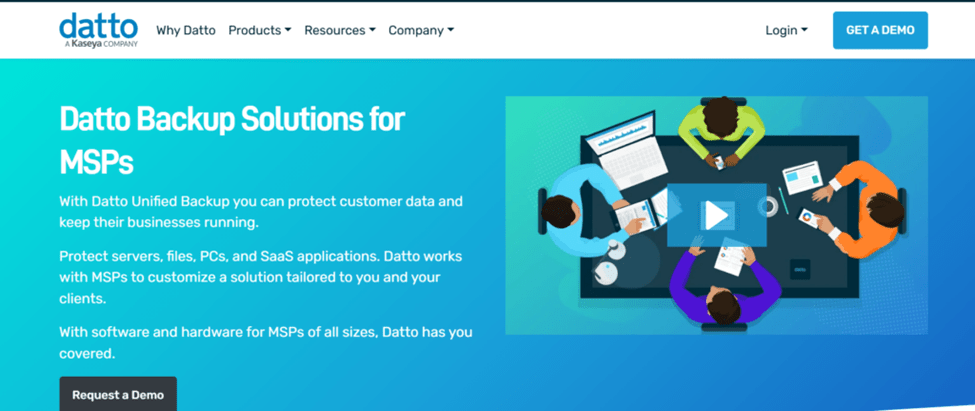
Overview: Druva provides a cloud-native solution for business continuity and data protection. The company uses a SaaS-based model for backup and recovery services. Their platform aims to reduce infrastructure complexity through its cloud-native design, covering data protection for enterprise data centers, remote workers, and SaaS applications.
Key Features:
- 100% SaaS-based backup and recovery
- Zero hardware/software infrastructure
- Global deduplication across all backups
- Centralized management dashboard
- Built-in compliance frameworks
- Ransomware detection and recovery
Pros:
- Ease of Use
- Reliable Backup Solutions
- Backup Ease
- Strong Customer Support
- High Backup Frequency
Cons:
- Backup Issues
- Slow Performance
- Limited Options
- Expensive
- Storage Limitations
Starting at $8/device/month, Druva provides a modern, cloud-first approach to business continuity that eliminates infrastructure management overhead.
#3 Zerto

Overview: Zerto operates in the business continuity market with a focus on continuous data protection. The company offers real-time replication services that aim to reduce data loss and provide quick recovery for virtual environments, differing from conventional backup solutions.
Key Features:
- Continuous data protection
- Real-time replication
- Virtual machine protection
- Cloud integration capabilities
- Recovery time objectives optimization
- Cross-platform support
Pros:
- Effective scalability with Cloud Continuity
- Valuable RTO and RPO ensuring minimal data loss
- Straightforward and efficient file recovery processes
- High reliability and stability
- Faster backup processes enhancing efficiency
Cons:
- Lack of focus on malware signatures and zero-day attack detection
- Insufficient operating system update management
- RMM features need improvement for MSP space dominance
- Three-year contract requirement is restrictive
- Relatively high cost
With pricing starting at $35/VM/month, Zerto represents a premium business continuity solution for organizations where minimizing downtime and data loss is critical to operations.
#4 Datto
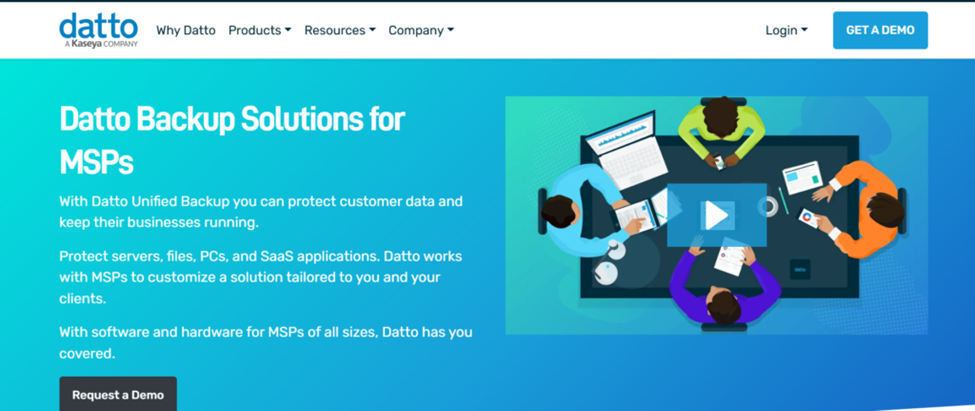
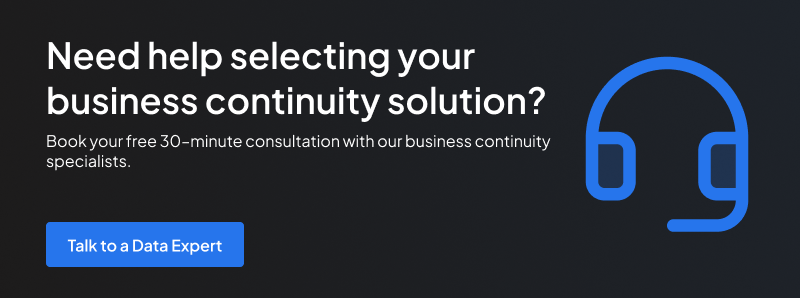
Overview: Datto offers a backup solution for businesses, targeting service providers and small to medium companies. Their approach combines local and cloud backup in one appliance, making data protection easier. Their platform handles both backup and disaster recovery, helping simplify complicated backup problems for businesses.
Key Features:
- Integrated local and cloud backup
- Inverse chain technology
- Screenshot verification
- Rapid rollback technology
- Virtual machine instant recovery
- MSP-centric management portal
Pros:
- Effective scalability with Cloud Continuity
- Valuable RTO and RPO ensuring minimal data loss
- Straightforward and efficient file recovery processes
- High reliability and stability
- Faster backup processes enhancing efficiency
Cons:
- Lack of focus on malware signatures and zero-day attack detection
- Insufficient operating system update management
- RMM features need improvement for MSP space dominance
- Three-year contract requirement is restrictive
- Relatively high cost
Starting at $2.00/seat/month (with a 3-year commitment), Datto delivers a comprehensive business continuity solution with particular value for organizations working with MSPs.
#5 IBM Resilient
Overview: IBM Resilient takes a different approach by focusing on crisis management and incident response orchestration. The platform functions as an enterprise risk management platform that helps organizations prepare for, respond to, and recover from disruptive events
Key Features:
- Incident response automation
- Dynamic playbook creation
- Cross-department collaboration
- Threat intelligence integration
- Compliance reporting
- AI-driven analysis
Pros:
- Enterprise-grade incident response capabilities
- Crisis management capabilities
- Compliance documentation
- Integration with security tools
- Threat intelligence
Cons:
- Requires significant customization
- Complex implementation requiring dedicated resources
- High learning curve
- Premium enterprise pricing
- More focused on security than general business continuity
With enterprise licensing starting at USD 120,000/year (based on number of users), IBM Resilient is positioned for large organizations requiring crisis management capabilities as part of their enterprise strategy.
#6 VMware Site Recovery Manager
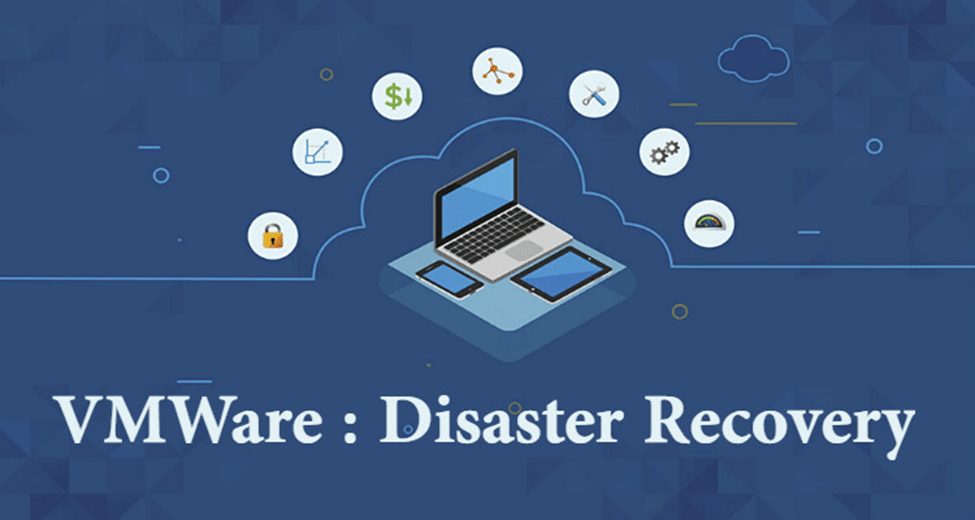
Overview: For organizations heavily invested in VMware infrastructure, Site Recovery Manager (SRM) provides native disaster recovery orchestration. The tight integration with VMware environments makes it a natural choice for virtualization-centric disaster recovery.
Key Features:
- Automated disaster recovery for VMware environments
- Centralized recovery plan management
- Non-disruptive recovery testing
- Orchestrated application recovery
- Storage-agnostic replication options
- Seamless vSphere integration
Pros:
- Easy configuration and execution, even for non-virtualization experts
- Helpful multiple protection groups and recovery plans
- Automated replication management from failover site to old primary site
- Native integration with VMware environments
- Reliable orchestrated recovery
Cons:
- Expensive licensing, especially for small VM environments
- Difficulty resolving support tickets
- Declining quality of products and technical support teams
- Complex licensing model
- Significant implementation expertise required
With the Standard Edition priced at $6,258 for 25 VMs (including 5-year support), VMware Site Recovery Manager provides specialized business continuity capabilities for VMware-centric organizations.
#7 Acronis Cyber Protect
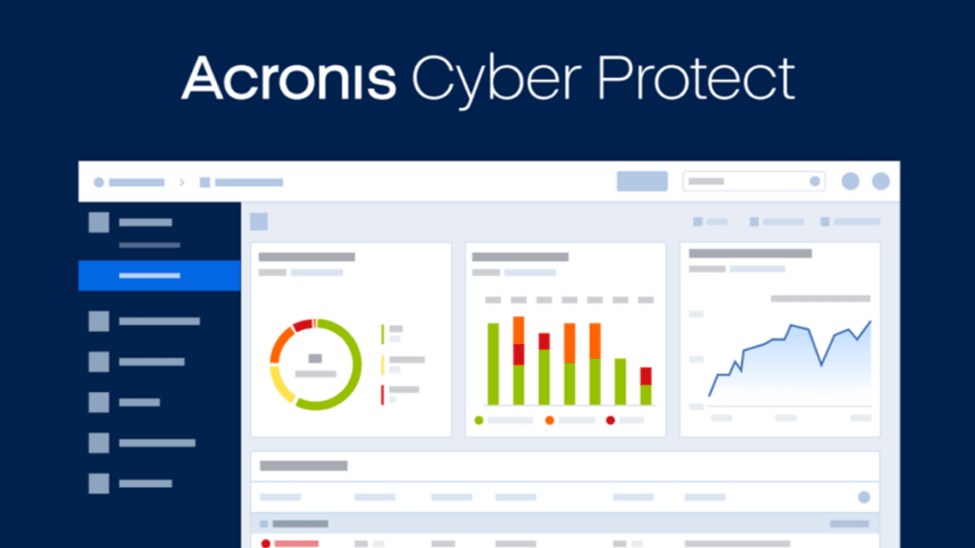
Overview: Acronis combines data protection and cybersecurity in their Cyber Protect platform. This approach handles both security and business continuity needs together.
Key Features:
- Integrated backup and cybersecurity
- AI-based ransomware protection
- Blockchain backup certification
- Universal restore capability
- Remote desktop functionality
- Multi-platform endpoint protection
Pros:
- Fast and reliable backup and recovery on dissimilar hardware
- Excellent data encryption and ransomware protection
- Extensive features for both physical and virtual environments
- Broad platform support with stable performance
- Critical cloud backup options for data protection
Cons:
- Technical support and documentation need improvement
- Limited database backup features and database system integration
- Complex deployment process for advanced configurations
- Concerns about affordability, especially in South America
- Error handling and stability issues, particularly with Linux
Starting at $7.08/month, Acronis Cyber Protect offers a comprehensive business continuity solution that bridges the gap between data protection and cybersecurity.
#8 Commvault
Overview: Commvault provides a complete data management platform that works with almost any type of infrastructure. It gives enterprise organizations a single approach to protecting their data.
Key Features:
- Comprehensive data management platform
- 500+ data source support
- AI-driven data optimization
- Advanced ransomware detection
- Container/Kubernetes protection
- In-depth compliance tools
Pros:
- Extremely comprehensive coverage of platforms
- Mature, enterprise-grade solution
- Strong security and compliance capabilities
- Excellent for complex environments
- Extensive automation capabilities
Cons:
- Resource-intensive
- High cost of ownership
- Complex licensing model
- Significant administrative overhead
- Steep learning curve
With capacity-based licensing starting at £3,000/TB, Commvault delivers an enterprise-grade business continuity solution for organizations with diverse and complex environments.
#9 Cohesity
Overview: Cohesity provides a platform that combines various data management functions. The solution integrates backup, recovery, file services, and analytics capabilities, designed to reduce separate data storage systems.
Key Features:
- Hyperconverged secondary storage
- Scale-out architecture
- Global deduplication and indexing
- Cloud-based management (Helios)
- Data mining and analytics
- Zero-trust security model
Pros:
- Unified, cost-effective solution for VMs, physical servers, SQL, and NAS backups
- Excellent implementation and training from sales engineers
- Robust instant recovery options improving recovery time objectives
- Highly responsive customer support and service
- Strong immutable backups and ransomware protection
Cons:
- SQL Object Level restore needs enhancement
- More robust reporting capabilities required for complex environments
- Improved support needed for different storage arrays and legacy systems
- Support responsiveness can be inconsistent
- Greater integration needed with cloud services like AWS and Azure
Starting at approximately $50/month for essential Cloud Management Platform features, Cohesity provides a comprehensive approach to business continuity through unified data management.
#10 Rubrik
Overview: Rubrik offers a cloud-oriented data management platform with API capabilities. The solution provides protection for hybrid environments and includes recovery features.
Key Features:
- API-first architecture
- Live mount recovery technology
- SaaS management platform (Polaris)
- Automated ransomware recovery
- Application-consistent backups
- Policy-based automation
Pros:
- Highly efficient search functionality with predictive capabilities
- Instant recovery of virtual machines with minimal downtime
- Strong ransomware protection with security and compliance features
- Intelligent agent technology and automation reducing management efforts
- Live Mount feature reducing recovery times from hours to minutes
Cons:
- Expensive pricing that needs to be more competitive
- Lack of native support for open source databases
- Challenging troubleshooting of failed backups without support
- Limited disaster recovery and cloud failover capabilities
- No granular restores from platforms like Exchange
Starting at $3,000/year, Rubrik offers an approach to data management with particular strengths in API-driven automation and cloud data protection.
Key Factors to Consider When Choosing a Business Continuity Solution
When selecting the optimal business continuity solution for your organization, consider these key factors to ensure you find the right fit for your specific needs:
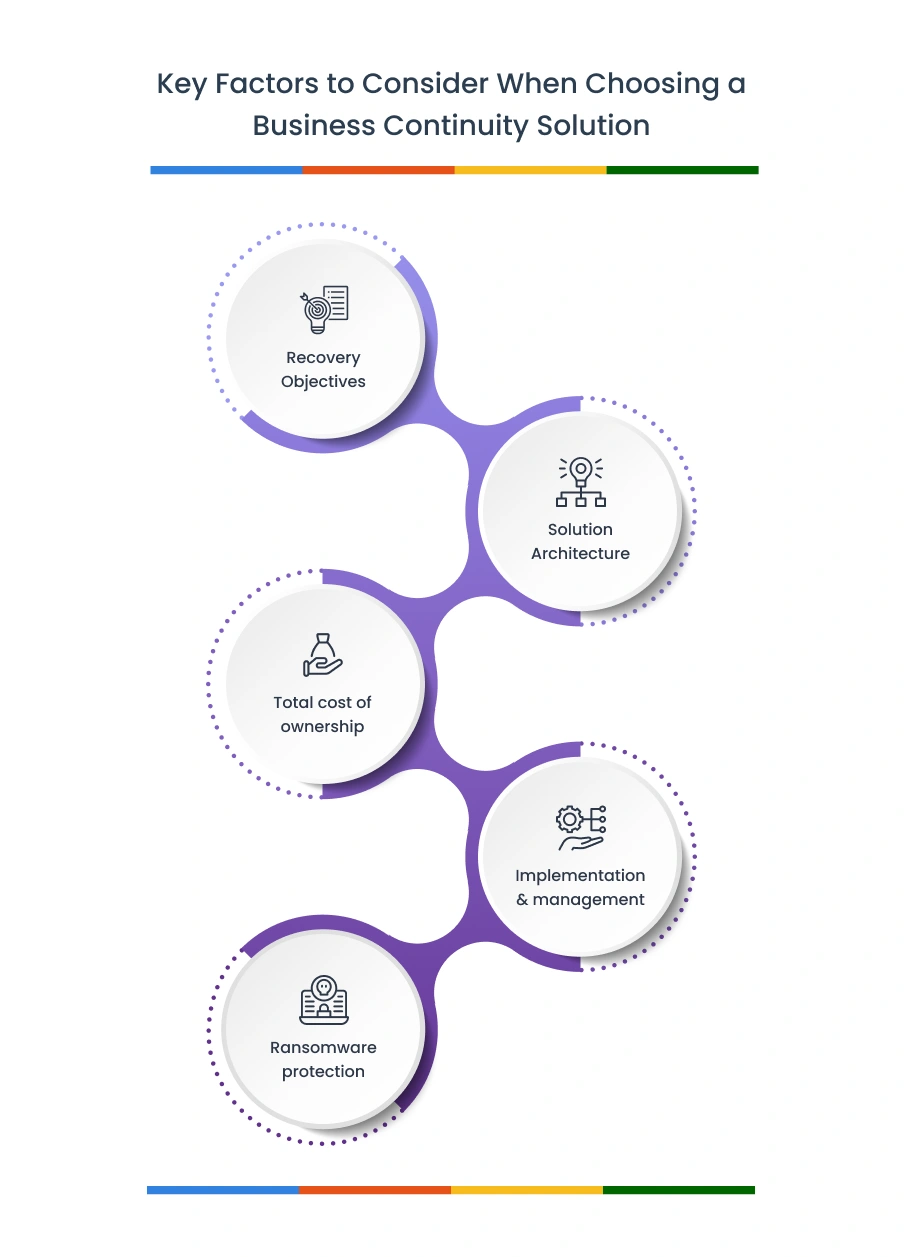
1. Recovery Objectives
Determine your required Recovery Time Objective (RTO) and Recovery Point Objective (RPO). Different business continuity management software offers varying capabilities in recovery speed and data preservation, so matching these to your business requirements is essential when evaluating platforms. Consider conducting a business impact analysis to understand how downtime affects your operations and establish business continuity requirements.
2. Solution Architecture
The landscape of business continuity management has shifted with:
- Cloud-native business continuity solution approaches
- Hybrid infrastructure Business Continuity Solutions
- Flexible deployment options tailored to specific organizational needs
3. Total Cost of Ownership
Beyond initial pricing for business continuity software, consider:
- Ongoing maintenance costs of your chosen business continuity solution
- Storage requirements for different business continuity solutions
- Potential hidden fees in business continuity solution pricing
- Long-term scalability of business continuity solutions
- Alignment with growth projections
4. Implementation and Management
The most powerful business continuity management software becomes ineffective if it’s:
- Too complex to implement
- Difficult to manage
- Requires excessive IT team resources to maintain the business continuity solution
5. Ransomware Protection
With cyber threats at an all-time high, look for business continuity management platforms offering:
- Comprehensive security integration
- Immutable backups
- Anomaly detection
- Guided recovery workflows in your business continuity solution
For a more comprehensive framework to evaluate these factors, our guide on Selecting the Right Business Continuity Software provides additional insights.
Perhaps you’re facing specific challenges: limited financial resources, RTO targets that consistently miss SLAs, or a hybrid cloud environment that your current management tools simply can’t accommodate effectively. For organizations without a unified enterprise ERP platform, these gaps are often magnified. Operational data remains siloed across departments, making coordinated recovery far harder to execute.
Business Continuity Plan Testing Guide
If you are struggling to determine how to conduct business continuity plan testing (BCPT) for your business continuity solution, here is the complete guide for it. Proper testing ensures your selected business continuity management (BCM) software will perform as expected during actual disruption events, validating that your disaster recovery plans work effectively under realistic conditions. Regular testing is a critical component of maintaining an effective business continuity management implementation and ensuring operational resilience.
The Final Step
The business continuity solutions explored in this guide include leading cloud recovery options for business continuity and varied approaches to address different business needs. These comprehensive business continuity solutions range from cost-optimized solutions for budget-conscious businesses, pure cloud solutions for infrastructure simplification, continuous data protection systems for minimal data loss, purpose-built business continuity solutions for ease of deployment, specialized incident response tools, virtualization-integrated solutions, security-focused business continuity solutions, comprehensive enterprise data management systems, and modern API-centric business continuity solutions for automation and integration.
Still unsure about which service is right for your organization? Our guide on How to Select the Best Business Continuity Services walks you through a personalized decision-making process.
Remember that business continuity solutions are not just about technology—it’s about ensuring your organization can maintain critical business and technology operations regardless of disruptions. The right platform should integrate with your broader continuity strategy while providing the specific technical capabilities your environment requires.
Frequently Asked Questions
How do cloud-based solutions compare to on-premises alternatives?
Cloud-based platforms like Druva eliminate infrastructure management overhead and offer rapid scalability, while on-premises systems provide more direct control over data and may satisfy specific compliance requirements. Hybrid approaches like Zmanda Pro offer a middle ground, combining local performance with cloud redundancy. Your specific recovery objectives, compliance needs, and existing infrastructure should guide this choice.
What metrics should be prioritized when comparing recovery options?
Focus on Recovery Time Objective (RTO) and Recovery Point Objective (RPO) capabilities, as these directly impact downtime duration and potential data loss. Additionally, evaluate automation capabilities, management complexity, scalability limits, and total cost of ownership across a 3-5 year period.
How do enterprise platforms address application dependencies?
Advanced solutions include dependency mapping and orchestration to ensure applications recover in the correct sequence. This capability is crucial for complex environments where application components have interdependencies. When evaluating options, assess whether they can automatically identify dependencies or require manual configuration of recovery sequences.
What storage integration considerations matter most?
Solutions vary significantly in their storage integration approaches. Consider whether your chosen system can leverage storage-based replication, support multiple storage tiers for cost optimization, and efficiently manage data across hybrid infrastructures without creating silos.
How do modern systems handle diverse workload types?
Products increasingly differentiate in their ability to protect varied workload types. Some excel at virtual machine protection but struggle with containerized applications or specialized databases. Evaluate whether each option provides consistent protection across your full technology stack, including legacy systems, SaaS applications, virtual environments, and emerging technologies within a single management framework.
What compliance capabilities should be expected?
Enterprise-grade solutions should offer built-in compliance frameworks, automated reporting, and audit trails. The ideal platform should reduce compliance workload rather than creating additional documentation requirements.