Enterprise backup solution management requires specialized skills encompassing technical knowledge, operational procedures, troubleshooting capabilities, and strategic planning. Organizations implementing new backup platforms must invest in comprehensive enterprise backup training, ensuring IT teams possess the expertise necessary for successful deployment and ongoing operations.
What Skills Do Backup Administrators Need?
Modern backup administration demands diverse technical competencies spanning infrastructure, networking, storage, and application knowledge. Administrators must understand backup concepts including full, incremental, and differential backups, retention policies, backup windows, and recovery objectives. Platform-specific skills cover configuration, policy management, scheduling, monitoring, and troubleshooting for the chosen backup solution.
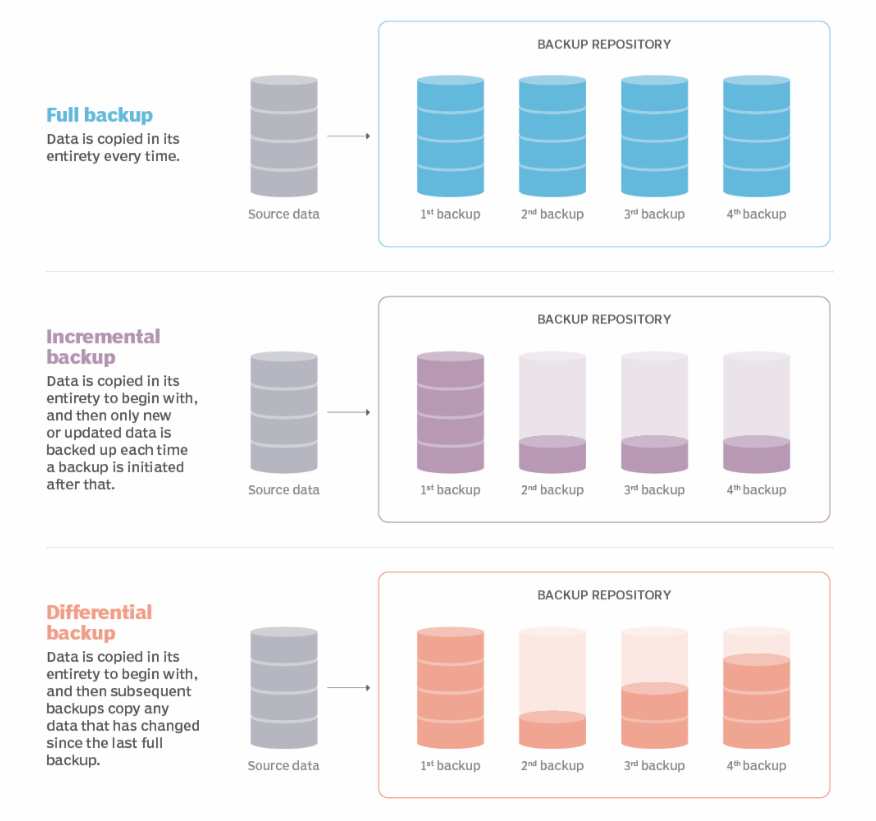
Infrastructure knowledge enables administrators to protect diverse workloads, including physical servers, virtual machines, cloud instances, databases, and applications. Understanding the technical characteristics and backup requirements for different platforms ensures appropriate protection strategies. Database backup expertise proves particularly critical given the specialized backup approaches that database platforms require for consistent, recoverable backups.
Network and storage fundamentals support troubleshooting and optimization activities. Administrators who understand network protocols, bandwidth management, and storage technologies can diagnose performance issues, optimize backup traffic, and plan capacity effectively. Security knowledge including encryption, access controls, and compliance requirements ensures backup implementations meet organizational security standards.
How Should Organizations Structure Backup Training Programs?
The table below outlines a comprehensive enterprise backup training framework for enterprise backup teams:
| Training Component | Target Audience | Duration | Delivery Method |
|---|---|---|---|
| Backup Fundamentals | All IT staff | 4-8 hours | Online or classroom |
| Platform Administration | Backup administrators | 3-5 days | Hands-on labs, vendor training |
| Advanced Configuration | Senior administrators | 2-3 days | Hands-on workshops, real scenarios |
| Troubleshooting & Optimization | Backup administrators | 2 days | Lab exercises, case studies |
| Recovery Procedures | All backup team members | 1-2 days | Hands-on drills, documentation review |
| Compliance & Security | Administrators, managers | 4 hours | Classroom or online |
Enterprise backup training framework showing different training components, target audiences, and recommended delivery methods for building comprehensive team capabilities.
What Role Does Vendor Training Play?
Vendor-provided training delivers product-specific knowledge directly from solution developers and expert instructors. Most enterprise backup vendors including Zmanda offer structured training curricula covering basic administration through advanced topics like performance tuning, disaster recovery, and enterprise architecture. Vendor training typically combines lecture content with hands-on labs using the actual backup platform, providing practical experience alongside theoretical knowledge.
Certification programs validate administrator competency and provide structured learning paths. These enterprise backup training certifications demonstrate mastery of platform capabilities while providing professional development opportunities, motivating staff, and building organizational expertise.
Vendor training investments pay dividends through faster implementations, fewer operational issues, and better utilization of platform capabilities. Administrators who receive proper training deploy solutions more quickly, encounter fewer problems, and leverage advanced features that untrained staff might overlook. Many vendors offer training credits or packages as part of enterprise license agreements, making formal training cost-effective.
How Do You Build Internal Expertise Through Knowledge Transfer?
Knowledge transfer from external consultants or experienced team members to broader IT staff accelerates capability development. Organizations engaging implementation consultants should require formal knowledge transfer activities, including documentation handovers, shadowing opportunities, and hands-on enterprise backup training sessions. These structured transfers ensure internal teams can support solutions after consultants depart.
Mentoring programs pair experienced backup administrators with less experienced staff, facilitating ongoing skill development through regular interaction and guided problem-solving. Senior administrators gain leadership experience while junior staff receive personalized guidance addressing their specific knowledge gaps. Formal mentoring structures with defined goals and regular check-ins prove most effective.
Documentation development contributes to knowledge retention and operational consistency. IT teams should create and maintain comprehensive documentation covering backup architecture, configuration standards, operational procedures, and troubleshooting guides. Documentation serves as training material for new staff while providing reference resources for experienced administrators.
What Ongoing Training Should Organizations Provide?
Technology evolution demands continuous learning as backup platforms add capabilities, infrastructure changes, and new workloads require protection. Organizations should budget for ongoing training including vendor updates, advanced skills development, and emerging technology education. Annual training allocations typically range from 40-80 hours per backup administrator depending on environment complexity and technology change pace.
Platform upgrade training ensures teams understand new features and changes in updated backup solutions. Major platform upgrades often introduce significant capability enhancements or architectural changes requiring formal training. Organizations should schedule upgrade training before or immediately after platform upgrades, ensuring administrators can effectively utilize new capabilities.
Specialized training addresses specific technologies or use cases requiring deeper expertise. Examples include advanced database backup techniques, cloud integration, container and Kubernetes protection, or disaster recovery orchestration. Organizations identify specialized training needs through gap analysis comparing current skills against operational requirements.
How Do You Train for Recovery Operations?
Recovery proficiency demands regular practice beyond theoretical knowledge. Organizations should conduct scheduled recovery drills exercising different scenarios including individual file restores, complete system recoveries, and disaster recovery procedures. These drills build muscle memory while validating that backup systems actually produce recoverable data.
Scenario-based training presents realistic recovery challenges requiring administrators to diagnose issues, select appropriate recovery approaches, and execute recoveries under time pressure. Scenarios might include corrupt databases requiring point-in-time recovery, failed servers needing bare-metal restoration, or ransomware incidents demanding clean data recovery. Realistic training scenarios prepare teams for actual emergencies.
Documentation and runbooks supplement hands-on training by providing step-by-step recovery procedures for different scenarios. Well-designed runbooks enable less experienced staff to execute complex recoveries with guidance, while serving as refreshers for procedures that administrators perform infrequently. Organizations maintain living documentation updated after each recovery drill or actual recovery operation.
What About Cross-Training and Succession Planning?
Cross-training programs ensure multiple team members possess critical skills, reducing organizational risk from staff turnover or absences. Organizations should avoid single points of failure where only one administrator understands critical backup components or procedures. Structured cross-training rotates responsibilities, pairs administrators on projects, and requires knowledge sharing across the team.
Succession planning identifies and develops backup administrators capable of assuming senior roles or leadership positions. Organizations assess current capabilities, identify high-potential staff, and create development plans addressing skill gaps. Succession planning ensures continuity as experienced administrators retire, change roles, or leave the organization.
Knowledge sharing forums including regular team meetings, lunch-and-learn sessions, and internal wikis facilitate continuous learning and collaboration. These informal learning opportunities complement formal training while building team cohesion. Topics might include recent troubleshooting challenges, new backup technologies, or lessons learned from recovery operations.
How Do You Measure Training Effectiveness?
Training effectiveness assessment validates that learning objectives are achieved and skills are applied in operational contexts. Organizations should establish metrics including training completion rates, certification achievement, and post-training skill assessments. More importantly, operational metrics like backup success rates, recovery completion times, and troubleshooting duration indicate whether training translates to improved performance.
Skills assessments before and after training quantify learning outcomes and identify areas requiring additional focus. Assessment approaches range from formal testing to practical demonstrations where administrators perform specific tasks under observation. Regular skills assessments identify knowledge gaps enabling targeted remediation.
Feedback mechanisms capture participant perspectives on training quality, relevance, and applicability. Post-training surveys, focus groups, and individual interviews provide insights for improving training programs. Organizations should act on feedback, adjusting curricula, instructors, or delivery methods based on participant input and operational outcomes.
Empower Your Team with Enterprise Backup Expertise
Successful enterprise backup operations depend on skilled IT teams with comprehensive training in backup technologies, operational procedures, and recovery operations. Zmanda Pro provides extensive documentation, training resources, and professional support enabling IT teams to quickly build operational expertise and manage backup infrastructure confidently.
Whether training administrators on new platforms or enhancing skills for existing backup environments, Zmanda delivers the resources and support that successful training programs require. Start your Zmanda Pro free trial to experience enterprise backup with comprehensive training resources and expert support.